
Dr. Shubhada Joshi is currently a Visiting Research Scientist at the National Center for Adaptive Neurotechnologies, Albany, New York. She obtained a Ph.D. from Albany Medical College, New York, MS in inter-disciplinary Neuroscience program (UC Medical Center, University of Cincinnati, Ohio) and MS in Chemical Engineering (University of California, San Diego). Dr. Joshi is an accomplished Biomedical Research professional with work experience and degrees in both Chemical Engineering and Neuroscience brings the unique capabilities of engineering problem-solving and mathematical techniques to solve vexing problems in biomedical research. She has written scientific papers and clinical protocols, aided in writing grants and has been invited as a speaker at conferences. She brings together a scientific background with strong communications experience, uniquely positioned to be a significant contributor in biomedical research.
Abstract:
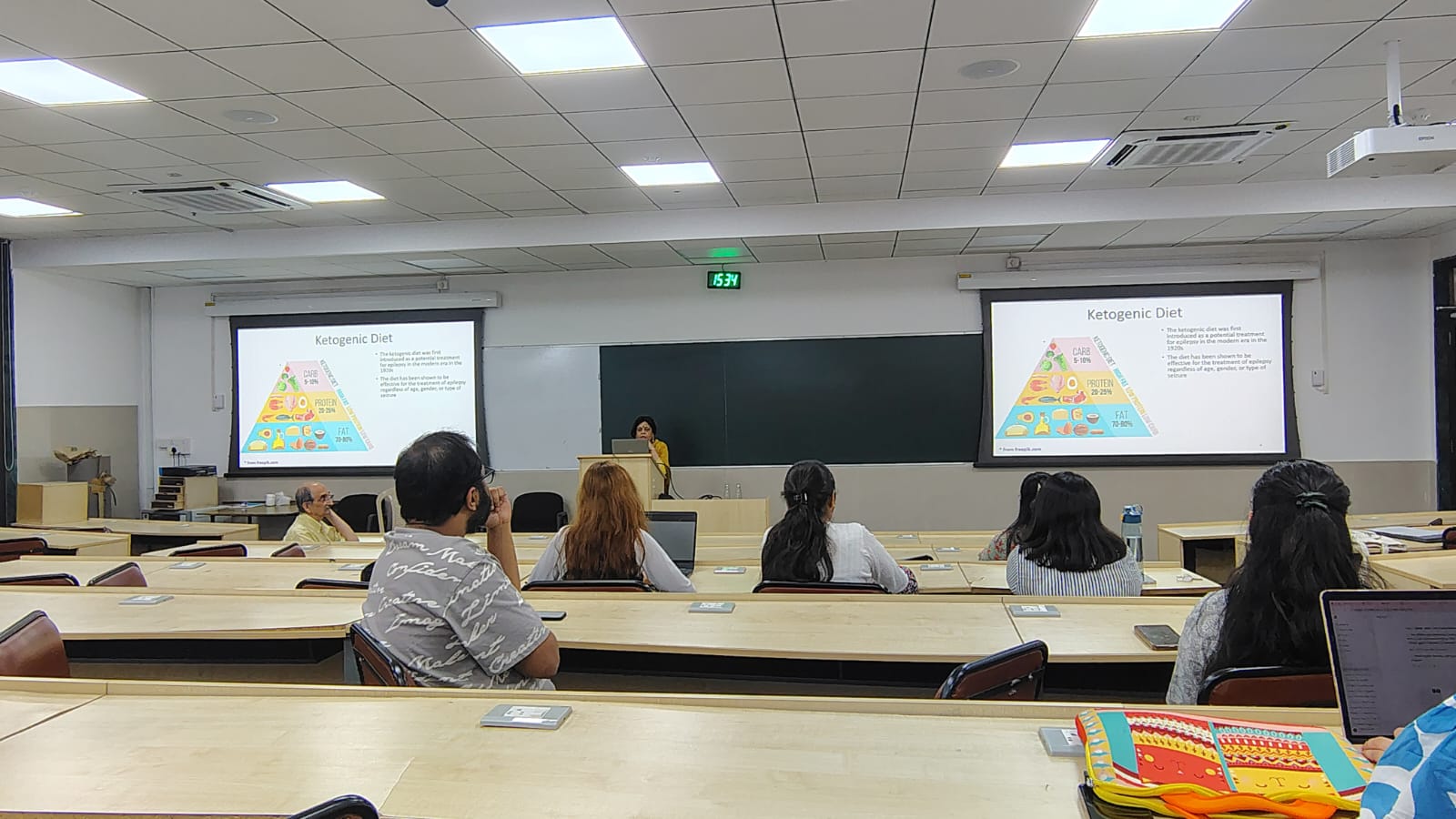
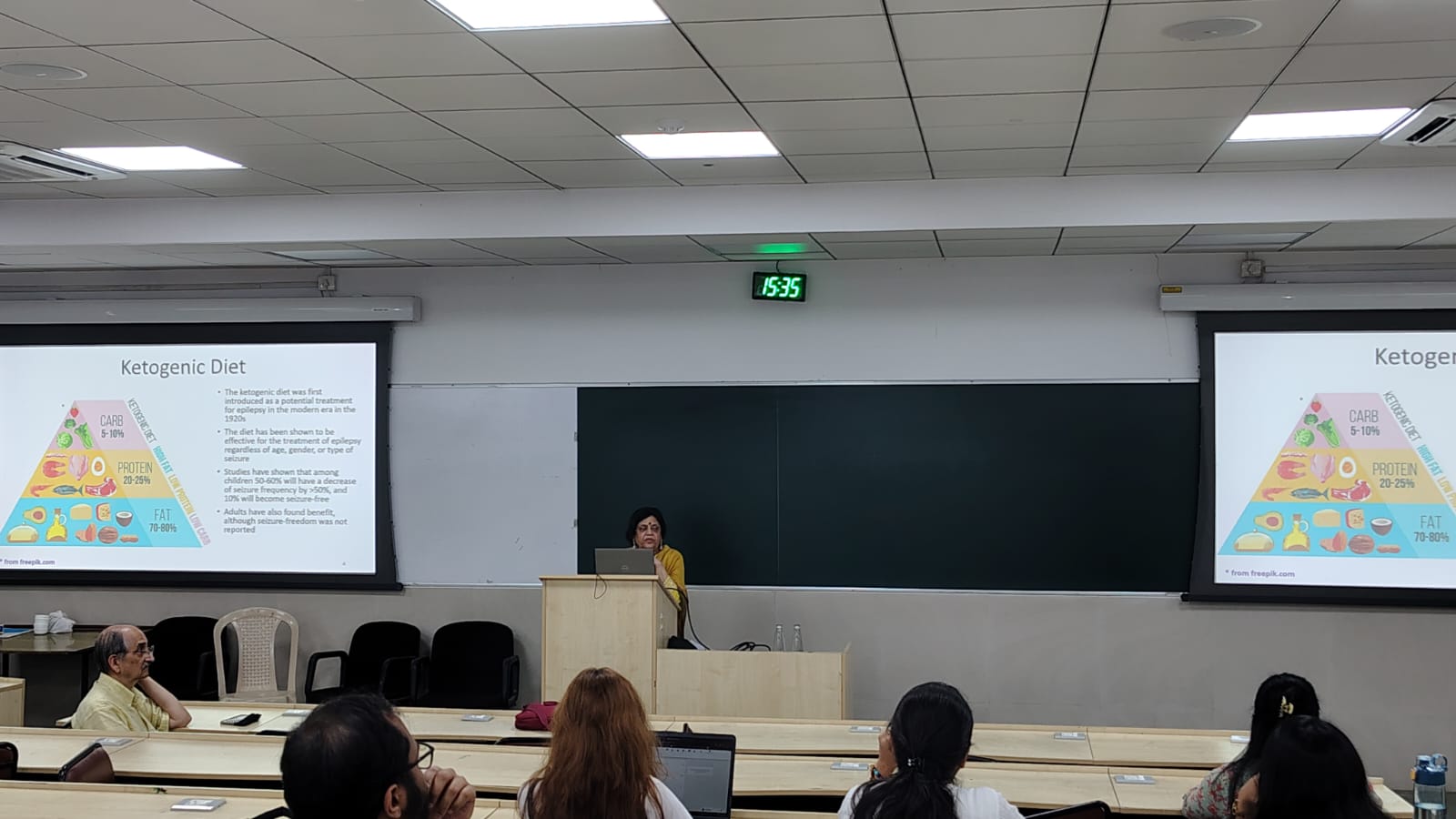
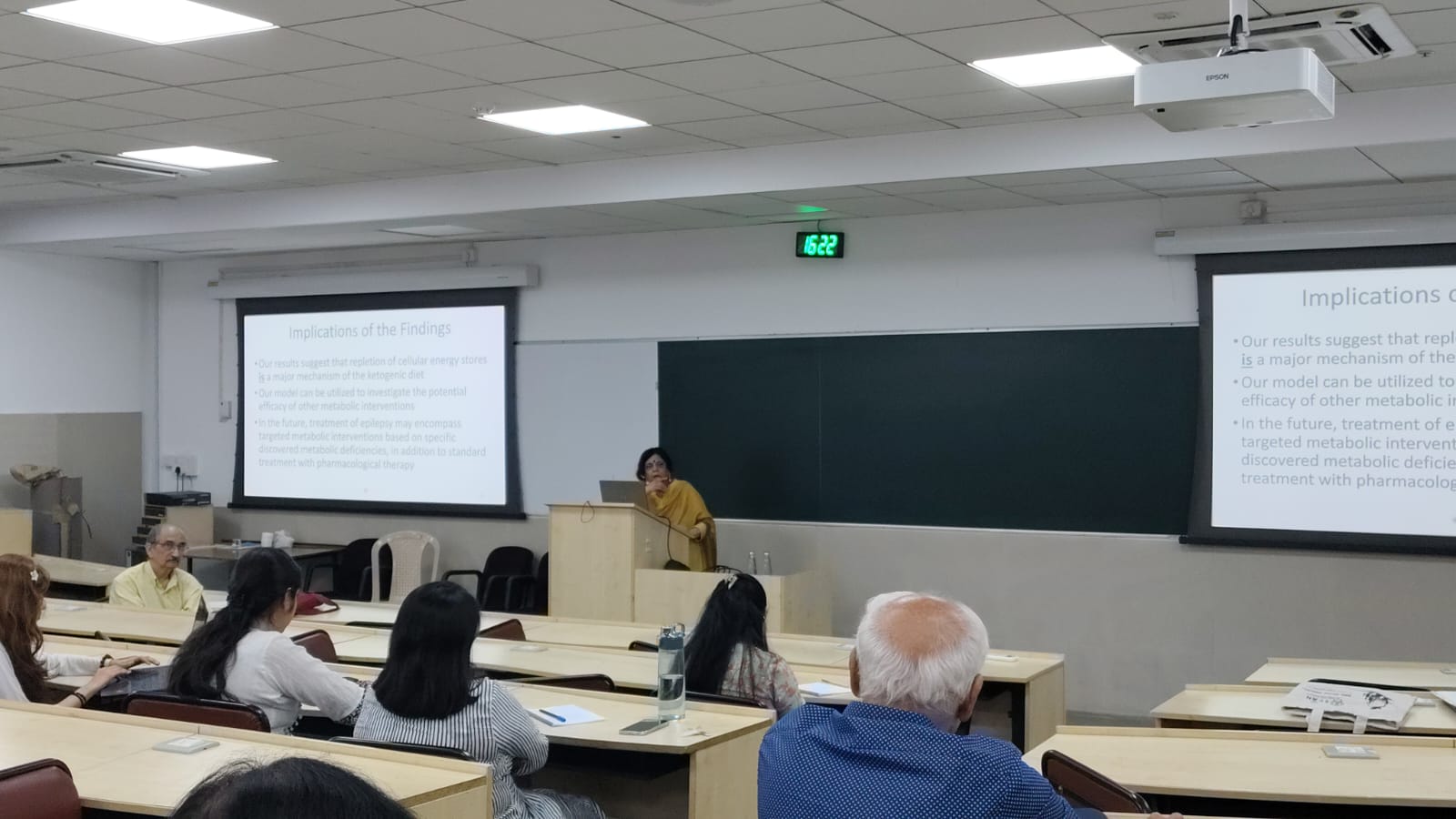
The ketogenic diet is a well-known treatment for epilepsy; however, its mechanism of action is not well understood. In this work, we investigated how the diet may decrease abnormal electrical activity at the sub-cellular level, which could decrease the propensity for seizure at the brain level. We modified a recently developed “neurochemical” model of the tripartite synapse, the smallest functional unit in the brain, to include ketone chemistry. We ran transient, time-resolved simulations mimicking normal levels of glucose and ketones, as well as low-glucose, high-ketone conditions representing the ketogenic diet, for various metabolic conditions that lead to seizures, clinically. We found that reduction in glucose (hypoglycemia), reduced activity of the glucose uptake transporter 1 protein, and other deficits led to the tripartite synapse firing in a rapid burst mode, suggestive of epileptiform activity due to reduced energy availability at the tripartite synapse. Some of these conditions were rescued, with return of a normal firing pattern, in low-glucose highketone states. While we do not rule out other proposed mechanisms, our work suggests that cellular energy repletion may be a primary action of the ketogenic diet for the treatment of seizures.
Additional research on the contribution of energy deficits to seizure onset and even epileptogenesis, may lead to new therapies for epilepsy.
Title: Is energy repletion at the tripartite synapse a potential mechanism for the action of Ketogenic diet?
Speaker: Dr. Shubhada Joshi (Visiting Research Scientist, National Centre for Adaptive Neurotechnologies, Albany, New York)
Venue: Seminar Room A, Ground floor, Department of Biosciences and Bioengineering (BSBE), IIT Bombay
Date: Friday, 6th February 2026
Time: 3:30 PM